Introduction
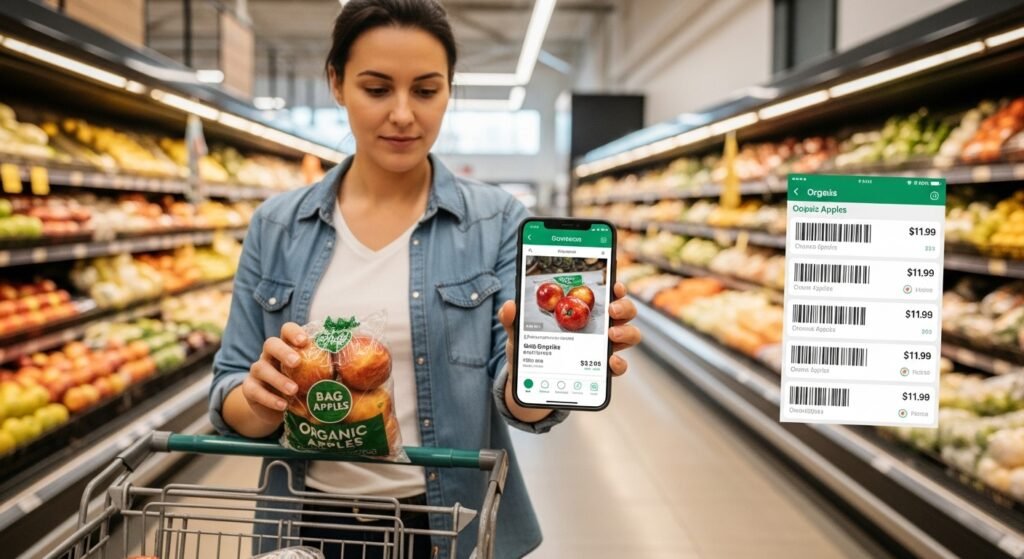
With food prices still climbing in 2025, grocery shopping has become a major challenge for households trying to stick to a budget. Whether you’re feeding a large family or living alone, every supermarket visit can feel like a test of strategy.
The good news is that you can cut your grocery bill significantly without sacrificing quality. You just need to know the right techniques.
In this guide, we’ll explore 10 smart, actionable ways to save money on groceries this year, tailored for current trends, tech tools, and consumer habits.
Plan Ahead and Shop with a List
Impulse buying is one of the biggest reasons people overspend at the grocery store. The best defense is a good plan. Start each week by mapping out your meals and writing down exactly what you need.
Tips
- Use a free meal-planning app like Mealime or Paprika.
- Organize your list by store category (produce, dairy, frozen) to avoid backtracking.
- Stick to your list—no exceptions!
Bonus Tip
Check your pantry, fridge, and freezer before you finalize your list. You might already have what you need for several meals.
Embrace Store Brands
Generic or store-brand products have improved dramatically. In 2025, many private-label groceries are made by the same manufacturers as the big name brands, just without the fancy packaging.
Why It Works
- Store brands can be 20–40% cheaper than their brand-name counterparts.
- The quality is often identical or, in some cases, even better.
Try switching to store-brand items for your staples—things like pasta, rice, milk, and cleaning products. You’ll hardly notice the difference, except in your wallet.
Use Cashback and Grocery Apps
Technology can be your biggest ally in saving money. Apps like Ibotta, Fetch Rewards, and Rakuten offer real cashback on your everyday grocery purchases.
How to Maximize Savings
- Scan your receipts right after every shopping trip.
- Look for opportunities to stack cashback offers with digital or paper coupons.
- Use your store’s digital loyalty program, which often provides extra savings or points.
For example, spending $100 on groceries could get you $5–10 back each week through these app rewards. Over a year, that adds up to over $250 in savings.
Buy in Bulk—Smartly
Buying in bulk can save you a lot of money, but only if you do it strategically. It’s not a deal if it goes to waste.
Best Bulk Buys
- Dry goods: items like rice, beans, flour, and oats.
- Frozen foods.
- Household products: toilet paper, paper towels, and detergent.
Avoid buying perishable items like fresh produce or dairy in bulk unless you have a clear plan to freeze or preserve them. A gallon of spoiled milk is never a good deal.
Pro Tip
Consider joining a warehouse club like Costco or Sam’s Club, or use bulk delivery services like Boxed or Amazon Bulk for convenience.
Compare Prices Across Stores and Apps
Grocery prices can vary dramatically from one store to another, even for the exact same product.
Use Price-Comparison Tools
- Flipp: an app that compares weekly store flyers.
- ShopSavvy: lets you scan barcodes for instant price checks.
- Google Shopping: can show you local store prices online.
A little research pays off. For instance, a box of cereal might cost $4.99 at one supermarket but be on sale for $3.49 just down the street.

Shop Seasonally and Locally
Seasonal produce isn’t just fresher and more flavorful—it’s also significantly cheaper. Imported or out-of-season fruits and vegetables often cost double due to transportation and storage.
How to Save
- Check out local farmers’ markets for great deals, especially near closing time.
- Join a CSA (Community Supported Agriculture) program to get a subscription box of local produce.
- Use seasonal food calendars to plan your meals around ingredients that are currently abundant and cheap.
This simple switch makes a big difference. For example, enjoy cheaper strawberries in the summer and switch to apples or pears in the fall.
Reduce Food Waste
The average family wastes over $1,000 worth of food every year. That’s like throwing money straight into the trash can.
Practical Ways to Reduce Waste
- Store your food properly. Use airtight containers and learn which zones in your fridge are best for different items.
- Freeze leftovers in single-portion sizes for quick meals later.
- Keep a “use-first” bin or shelf in your fridge for items that are nearing their expiration date.
Turn Leftovers into New Dishes
Get creative and turn one meal’s leftovers into a new dish. That leftover roasted chicken can become sandwiches, salads, or a base for soup the next day.
Use Coupons—the Smart Way
Coupons absolutely still work in 2025, and digital tools make them easier to manage than ever.
Where to Find Them
- Store apps (like Walmart, Kroger, and Target Circle)
- Manufacturer websites
- Coupon platforms like Coupons.com or the Honey browser extension
Stacking Strategy
- Combine store coupons with manufacturer coupons on the same item.
- Pair your coupons with cashback app offers for double rewards.
- Watch for “buy one, get one” (BOGO) deals, which are often the best time to use a coupon.
This “stacking” method is powerful. You can combine a $1 coupon with a store discount and a cashback offer to get triple savings on a single product.
Try “No-Spend Weeks”
Once a month, challenge yourself to a “no-spend” grocery week. The rule is simple: you can only use what is already in your pantry, fridge, and freezer.
Why This Works
- It forces you to clear out older food items before they go bad.
- It sparks creativity as you come up with new meal ideas.
- You save an entire week’s grocery budget.
Challenge yourself to turn that leftover rice, half-can of beans, and those frozen veggies into complete meals instead of automatically buying more groceries.
Bonus: Use AI for Smart Meal Planning
In 2025, AI-powered apps like Yummly, ChatGPT Meal Planner, and Whisk are powerful tools for budget-conscious shoppers.
How AI Can Help
- Create weekly meal plans based on your specific budget.
- Suggest recipes using ingredients you already have on hand.
- Estimate your total grocery cost before you even go to the store.
For instance, you can input an “$80 weekly budget,” and the app will build a complete meal plan with a shopping list that stays under that total.
Conclusion
Saving money on groceries in 2025 isn’t about cutting corners or extreme couponing. It’s about being strategic, tech-savvy, and mindful of what you buy.
Here’s a quick recap of the best strategies:
- Plan your meals and always shop with a list.
- Embrace store brands for staple items.
- Use cashback apps and digital coupons wisely.
- Shop in bulk (smartly), seasonally, and locally.
- Reduce food waste and plan smarter with AI tools.
With these 10 (plus one bonus) strategies, you can save hundreds of dollars a year while still enjoying delicious, healthy meals.
Key Takeaway
Small habits add up. By making just a few of these changes to your routine, you’ll start noticing real savings—and real peace of mind—every time you check out at the grocery store.
✅ Recommended Reads on Living