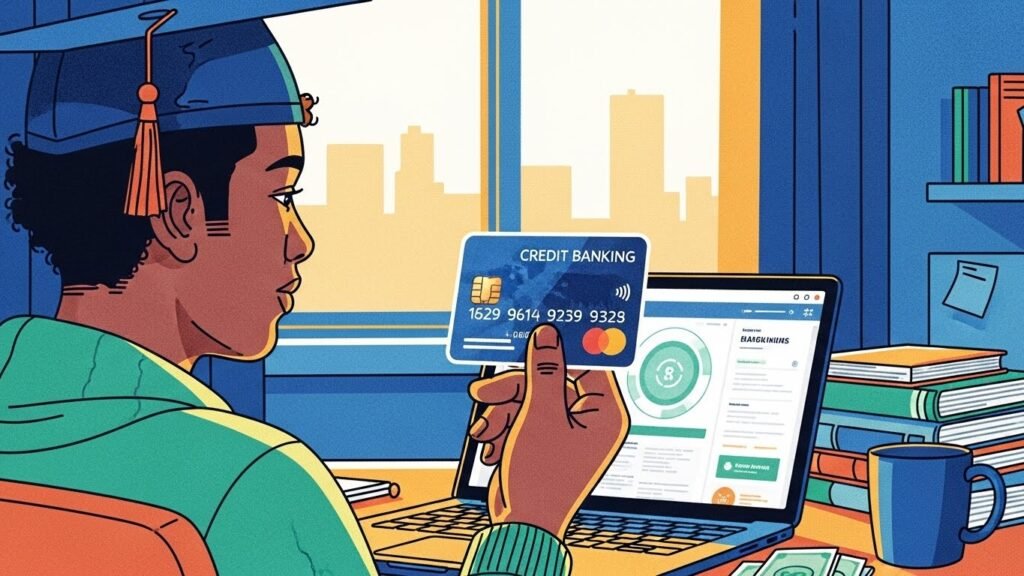
Starting college often means managing money independently for the first time. However, many students quickly discover a frustrating reality: you need credit to get credit. This “catch-22” can feel like an impossible barrier when you are trying to establish your financial footprint.
If you have no credit history and no cosigner, getting approved for a traditional credit card may seem out of reach. But the truth is, major banks have created specific pathways for students just like you. By choosing the right financial products, you can bypass the traditional hurdles and start building a high credit score before you even graduate.
In this comprehensive guide, we will break down the best credit cards for students with no credit history, explore options that do not require a cosigner, and provide a roadmap for managing your credit responsibly.
The Reality of Why Students Struggle to Get Approved
Most traditional credit cards are designed for individuals with established financial profiles. Lenders typically look for a stable income, years of credit history, and a low-risk profile. Students, by definition, often represent the opposite: limited income, zero credit history, and a very short financial track record.
Because of the Credit CARD Act of 2009, banks are also more cautious about issuing credit to anyone under 21 unless they can prove an independent ability to make payments or have a cosigner. Since many students do not want to rely on their parents for a cosigner, the search for “independent” student cards is a top priority.
Fortunately, “student credit cards” and “starter cards” are specifically engineered to bridge this gap. These cards prioritize your potential and your status as a student over your past credit history.
What Makes a Good Student Credit Card?
Before you hit the “apply” button, it is essential to know what features actually matter. Not all student cards are created equal, and choosing the wrong one could cost you in fees or fail to help your credit score effectively.
No Credit History Required
The primary feature you should look for is a lender that explicitly states they accept applicants with thin or non-existent credit files. These banks use alternative data—like your enrollment status or banking relationship—to determine your eligibility.
No Cosigner Needed
A cosigner is someone (usually a parent) who agrees to pay your debt if you cannot. While this makes approval easier, many students prefer financial independence. Look for cards that allow you to apply based on your own “accessible income,” which can include scholarships and grants.
No Annual Fee
As a student, every dollar counts. You should never have to pay an annual fee just for the privilege of building your credit. There are plenty of high-quality, $0 annual fee cards available on the market today.
Reporting to All Three Credit Bureaus
This is the most critical technical requirement. For your on-time payments to actually build your credit score, the card issuer must report your activity to Equifax, Experian, and TransUnion. If they don’t report to all three, your credit-building efforts are only half-effective.
Digital Credit-Building Tools
Modern student cards often come with mobile apps that offer free credit score tracking (FICO or VantageScore), automatic payment settings, and real-time spending alerts. These tools act as “training wheels” for your financial life.

Top Credit Cards for Students With No Credit History
If you are applying without a cosigner and have a blank credit report, these are the top-rated options currently available. Each offers a unique blend of accessibility and rewards.
Discover it® Student Cash Back
This is widely considered one of the best “starter” cards in the industry. Discover is known for being very student-friendly and often approves those with absolutely no credit history.
- No credit history required: Designed specifically for first-time borrowers.
- Cashback Match: At the end of your first year, Discover will automatically match all the cash back you’ve earned.
- Rewards: 5% cash back on rotating categories each quarter (up to the quarterly maximum) and 1% on all other purchases.
- Best for: Students who want to maximize their rewards while learning the ropes of credit management.
Capital One® SavorOne Student Cash Rewards
For students who spend a significant portion of their budget on food and entertainment, this card is a powerhouse. Capital One has a highly streamlined application process that is very accessible for those with limited credit.
- No cosigner required: You can apply independently using your own income sources.
- High-Value Rewards: Earn unlimited 3% cash back on dining, entertainment, popular streaming services, and at grocery stores.
- No Foreign Transaction Fees: Perfect for students planning to study abroad.
- Best for: Socially active students who want a card that rewards their lifestyle.
Capital One® Quicksilver Student Cash Rewards
If you prefer simplicity over tracking categories or specific spending types, the Quicksilver Student card is the “set it and forget it” option.
- Flat-Rate Cash Back: Earn a consistent 1.5% cash back on every purchase, every day.
- Automatic Credit Line Reviews: Capital One will automatically consider you for a higher credit line in as little as six months.
- Best for: Students who want a straightforward, easy-to-understand rewards structure.
Bank of America® Customized Cash Rewards for Students
This card offers a unique level of flexibility that most student cards lack, allowing you to change your rewards structure as your spending habits evolve.
- Choice Category: You can choose one category (like online shopping or gas) to earn 3% cash back.
- No Annual Fee: Standard for the best student options.
- Best for: Students who have specific, heavy expenses in one area and want to maximize their returns.
Deserve® EDU Mastercard for Students
The Deserve EDU card is a unique entry in the market because it does not require a Social Security Number (SSN) to apply, making it the premier choice for international students.
- Alternative Underwriting: They look at your education history and future earning potential rather than just a credit score.
- Amazon Prime Student: They often offer a reimbursement for a year of Amazon Prime Student after you spend a certain amount.
- Best for: International students and those who lack a traditional U.S. financial background.
Comparing Student Cards vs. Secured Credit Cards
If you are denied a student credit card, don’t panic. You have another powerful option: the Secured Credit Card.
| Feature | Student Credit Card | Secured Credit Card |
| Credit History Needed | None/Limited | None |
| Security Deposit | Not Required | Required (Usually $200+) |
| Interest Rates | Competitive for starters | Can be higher |
| Path to Upgrade | Usually automatic | Moves to “Unsecured” later |
| Difficulty to Get | Easy | Very Easy |
A secured card requires a cash deposit that serves as your credit limit. It is virtually “fail-proof” for approval. However, you should always try to apply for a student card first to avoid tying up your cash in a deposit.
How to Get Approved as a Student Without a Cosigner
Applying for credit can be nerve-wracking, but you can significantly increase your odds by following these three strategies.
1. Include All Legal Income Sources
When the application asks for your “annual income,” you are not limited to just a paycheck from a job. According to federal regulations, you can include:
- Part-time wages or work-study income.
- Scholarships and grants (the portion left over after tuition/fees).
- Allowances or money from parents that is regularly deposited into your account.
- Trust fund distributions.
2. Check for Pre-Approval First
Many issuers like Capital One and Discover offer a “pre-approval” tool. This allows you to see if you are likely to be accepted without a “hard inquiry” hitting your credit report. This protects your score from unnecessary dings.
3. Maintain a Positive Banking Relationship
If you already have a checking or savings account with a specific bank (like Chase or Bank of America), apply there first. Having a history of responsible deposits and no overdrafts makes you much more attractive to their credit department.

Smart Strategies to Build Credit Safely in College
Getting the card is only the first step. Building a “perfect” credit score requires a specific set of habits. If you follow these rules, you will likely graduate with a credit score in the 700s.
Keep Your Credit Utilization Low
Credit utilization is the percentage of your limit that you actually use. If your limit is $500, try never to let your balance exceed $150 (30%). A low utilization rate signals to the bureaus that you are not desperate for debt.
Treat Your Credit Card Like a Debit Card
The biggest mistake students make is viewing credit as “extra money.” Only buy what you can afford to pay off immediately. If you don’t have the cash in your bank account, don’t put it on the card.
Set Up Auto-Pay for the Full Balance
Missing a single payment can tank your credit score by 100 points or more. Set up automatic payments to pay the full statement balance every month. This ensures you never pay a penny in interest and your payment history remains spotless.
Keep Your First Account Open
The “age of credit” is a major factor in your score. Even after you graduate and move on to “premium” cards, keep your original student card open. It acts as an anchor for your credit history, making your financial profile look more mature.
Common Mistakes That Can Ruin Your Credit Early
- Maxing Out the Card: Even if you pay it off, a maxed-out card looks risky to lenders.
- Paying Only the Minimum: This leads to a cycle of high-interest debt that can take years to escape.
- Applying for Too Many Cards: Every application stays on your report for two years. Space them out by at least six months.
- Ignoring Your Statements: Fraud happens. Check your app once a week to ensure every charge is yours.
Expected Timeline for Credit Growth
How long does it actually take to see results? Here is a general timeline for a student starting with zero credit:
- Month 1: Your account is opened and reported. Your credit file is “born.”
- Month 6: After six months of on-time payments, you will officially have a FICO score. If you’ve been responsible, it will likely be between 670 and 710.
- Month 12: You may be eligible for a credit limit increase or an upgrade to a non-student card. Your score should be solid enough to qualify for an auto loan or an apartment lease.
Frequently Asked Questions
Can I get a credit card if I am not working?
Yes, as long as you have “accessible income” such as scholarships, grants, or regular financial support from a household member or parent.
Will applying for a card hurt my credit score?
A hard inquiry usually drops your score by 5 to 10 points temporarily. However, the long-term benefit of building a credit history far outweighs this minor, temporary dip.
Should I get a card from my local credit union?
Credit unions are excellent options! They often have lower interest rates and more personalized service than big national banks. If you already bank at one, check their student options.
Final Thoughts for the Future-Focused Student
Securing your first credit card is a major milestone in your journey toward adulthood. It is not about the ability to buy things today; it is about the ability to buy a home, lease a car, or even pass a background check for a job five years from now.
By choosing a card that requires no credit history and no cosigner, you are taking full ownership of your financial destiny. Use the tools provided, pay your bills on time, and watch your financial opportunities expand before you even walk across the graduation stage.
✅ Recommended Reads on Finance